New to this? Start with our complete guide: How to Make Money With AI in 2026.
Disclosure: This post may contain affiliate links. If you buy through them, I may earn a commission at no extra cost to you. I only recommend tools I’d actually use.
Why voiceover is a quiet money niche right now
Most beginners chase the same crowded gigs, logos on Fiverr, generic AI articles, dropshipping. Voiceover sits off to the side, less obvious, and small businesses, course creators and faceless channels still pay for it every week. The reason it’s interesting in 2026: a beginner with no studio and no booming radio voice can now deliver clean narration that sounds professional, because the AI voice tools finally crossed the “I can’t tell” line.
This isn’t a guide to “selling AI voices.” Nobody buys those. What people buy is the finished thing, the narrated video, the explainer, the audiobook chapter. The AI does the voice; you do the packaging, editing and delivery. That’s the actual job.
What clients are actually paying for

- Faceless YouTube narration. Channels run by people who don’t want their voice public. Recurring scripts, 800–1,500 words each.
- Explainer and ad reads. Small SaaS, coaches, local services. 30 to 90 seconds, often a few per month.
- Audiobook and audio-course production. Self-published authors and course creators who don’t want to record. Higher ticket, longer projects.
- Podcast intros, outros and short segments. Small recurring jobs that add up.
- Multilingual versions of existing content. A client already has the English version; you re-voice it into Portuguese, Spanish, French, etc.
The setup that actually works for beginners
You don’t need a studio, a microphone or a degree. Here’s the stack I’d give a friend starting from zero today:
- A script. Either the client sends one, or you write it (ChatGPT or Claude works fine for tightening someone else’s draft — see the honest comparison of the two).
- An AI voice tool that doesn’t sound like a GPS. I use ElevenLabs because the output is the only one I’ve tested that clients accept without notes. Free tier is enough to land your first paid job.
- A free editor. Audacity or CapCut to cut breaths, fix pace, add light music. That’s it.
- A delivery format. MP3 + a quick “here’s what changed” note. Professional enough.
How to land the first paid job (without applying to 200 gigs)
The mistake almost everyone makes is opening Fiverr and trying to win on price. Don’t. Two faster paths:
1. Pitch one specific niche, not “voiceover services”
“I narrate finance explainer videos for YouTube channels” beats “voiceover artist” every time. Pick one niche you already follow, finance, history, gaming lore, true crime — and pitch only there. Small channels in that niche will reply.
2. Make the proof, don’t promise it
Take an existing video from a small channel (or an article from a blog you read), narrate the first 60 seconds, send it as a free sample with a one-line offer. Conversion on this is wildly higher than any cold “I do voiceovers” message, because they’re hearing exactly what they’d get.
What to charge when you’re just starting
For 60–90 second reads: $20–$40 the first month, $50–$100 once you have three samples in the same niche. For YouTube narration: per-video flat ($30–$80 for ~10 minutes is realistic to start), then move to retainer once they’re publishing weekly. Audiobooks are quoted per finished hour and are a different conversation, don’t start there.
Don’t undercut yourself to win the first one. Clients who pay $5 are the worst clients you’ll ever have, and they don’t come back.
The honest catch
Two things people don’t tell you:
- Free AI voice credits run out fast. The plan you can run a service on is the cheapest paid tier — let one client’s payment cover it, never subscribe first.
- Emotional reads (high-energy ads, dramatic narration) still need careful prompting and editing. For neutral, informative narration the AI is essentially indistinguishable. Pick niches accordingly while you’re learning.
FAQ
Do I need to disclose the voice is AI? Depends on the platform and use case. For narration jobs, most clients don’t care as long as the result is good; for branded or political content, disclose. When in doubt, ask the client.
Is the AI voice good enough that clients won’t notice? For narration, explainers and most YouTube content: yes. For emotional ad reads: only with careful editing.
How long until the first paid job? If you pitch one niche with a real sample, 1–2 weeks is realistic. If you spray generic gigs everywhere, months.
Which AI voice tool should I use? The one your prospective client can’t tell is AI. I use ElevenLabs because that’s the bar it currently clears; if a free tool gets you a “yes,” use that.
Bottom line
AI voiceover is a quiet, real money niche because the tools finally got good and the buyers (small channels, course creators, small businesses) are easy to find. You don’t need a studio, you need one niche, one sample and one tool that doesn’t embarrass you. If you want the broader map of where this fits, start with our guide to making money with AI in 2026.
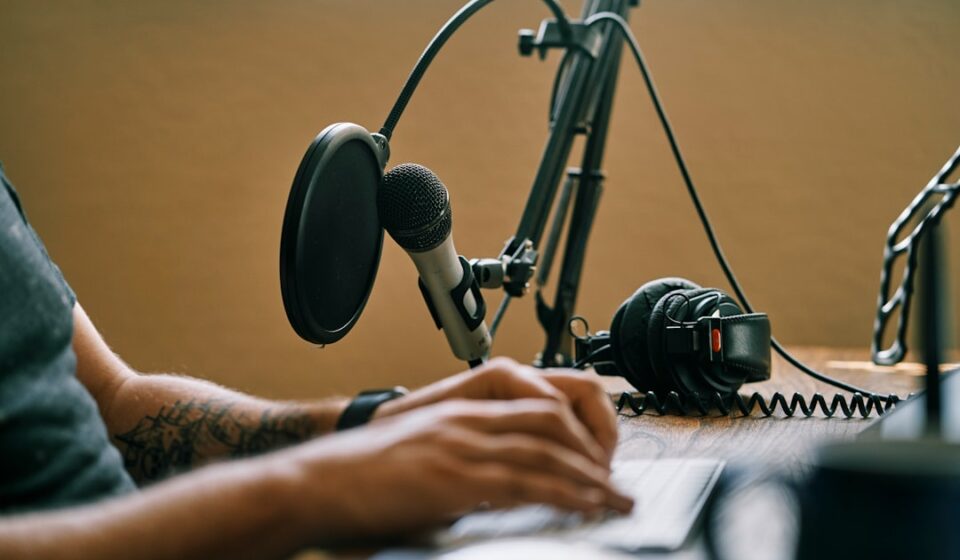
Photo by Kit (formerly ConvertKit) on Unsplash
Related reading